
How We Work to Solve the Water Crisis The Water Project

A water borehole serves the same purpose as a well, to retrieve water from a natural source underground. This is installed slightly differently from a traditional well, using a large rotary drill that can penetrate much deeper into the ground (typically between 6-80 metres in the North of the UK and up to 200 metres in the South).
Groundwater the saviour?

How much water the rock and granular soil can hold depends on how much open space exists between the particles, called its porosity. This ranges from 0 in solid rock to about 30 or 40 percent in gravel and sand. Aquifers have a bottom, where the soil or rock is impermeable, and a top, called the water table.
Which is Better Deep Wells vs Shallow Wells
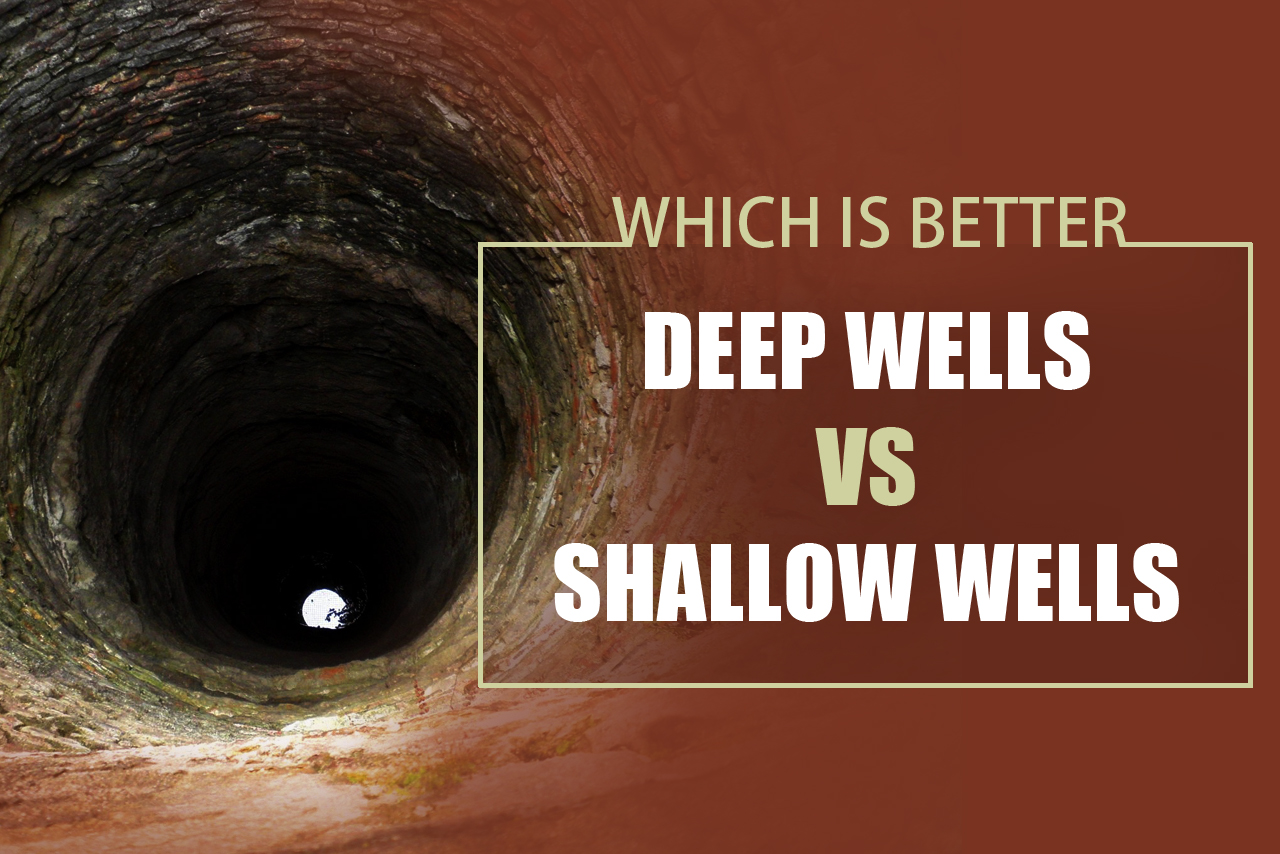
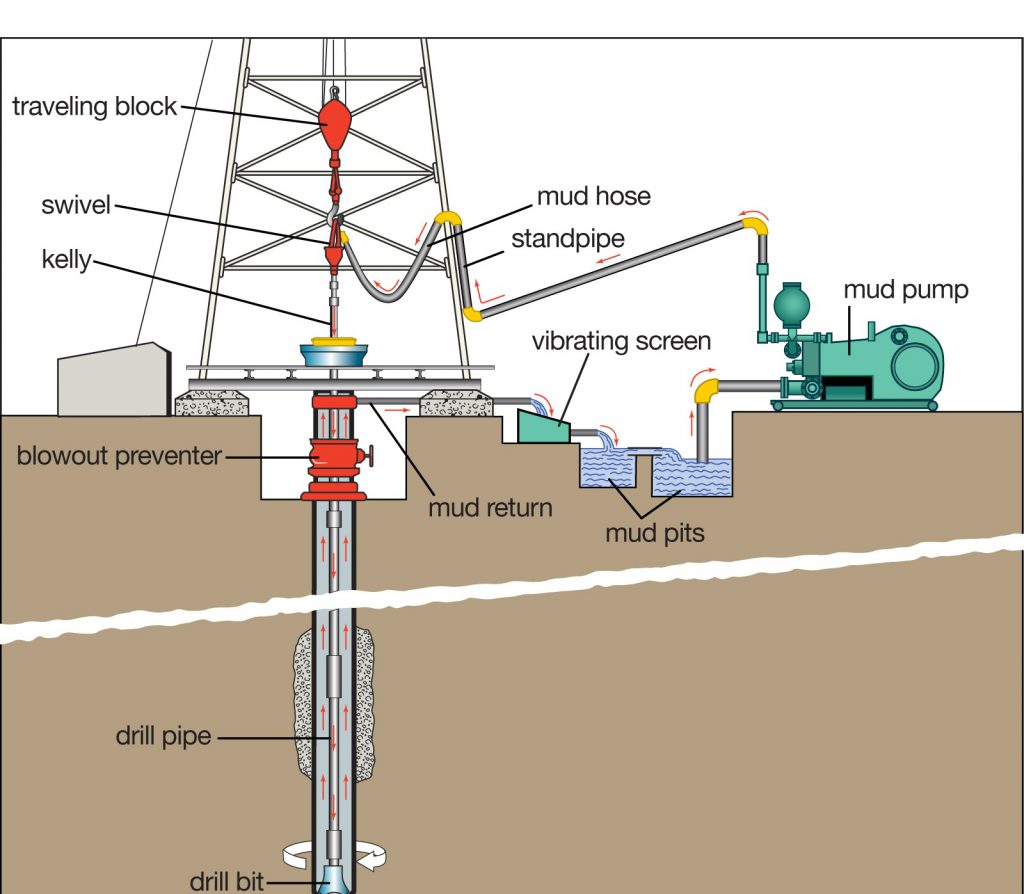
A water borehole is constructed using a drilling rig - either rotary or percussion. These rigs are capable of penetrating much further into the water table than excavating by hand. The boreholes themselves are generally much narrower and deeper than a traditional well as a result of modern techniques. Due to the increased depth, a water.
Bentonite as drilling mud Buy bentonite from Samio Minerals
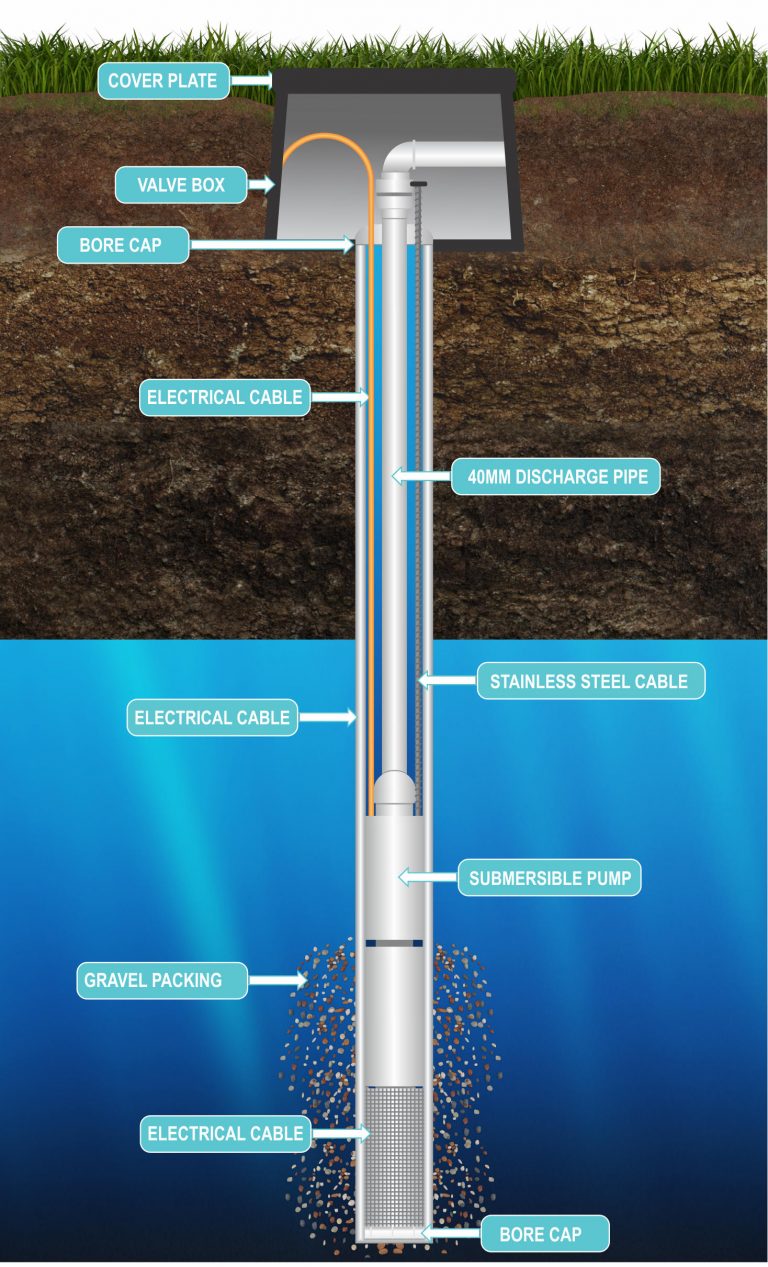
A water well or a borehole is a vertical capture engineered structure used to exploit the water from a water table held in the interstices or in the cracks in a rock in the sub-soil known as aquifer. The water can be raised to ground level either very simply using a receptacle (a bucket, for example) or more easily using a manual or motor.
What Is The Difference Between a Wellpoint and a Borehole?

Figure 3.4 is a diagram of a protected hand-dug well. Wells can be excavated by hand if the soil is not too hard or the water table is high.. the borehole can be left open and will not collapse. Figure 3.8 Drilling rig for a borehole. Figure 3.9 A borehole. At the surface, different types of pump may be used including hand pumps like the one.
The Bore Process Water Boring process Mornington Peninsula Borewell
In addition to these techniques, physical and imaging borehole methods are used to describe boreholes, casing, and/or borehole-intersected formations directly or near-directly. That is, borehole imaging and physical tools allow for the visualization of the structure and/or surface of the borehole. Borehole images are typically displayed two.
Borehole Design Best Practice What Goes into a Fully Working Borehole? Dales Water
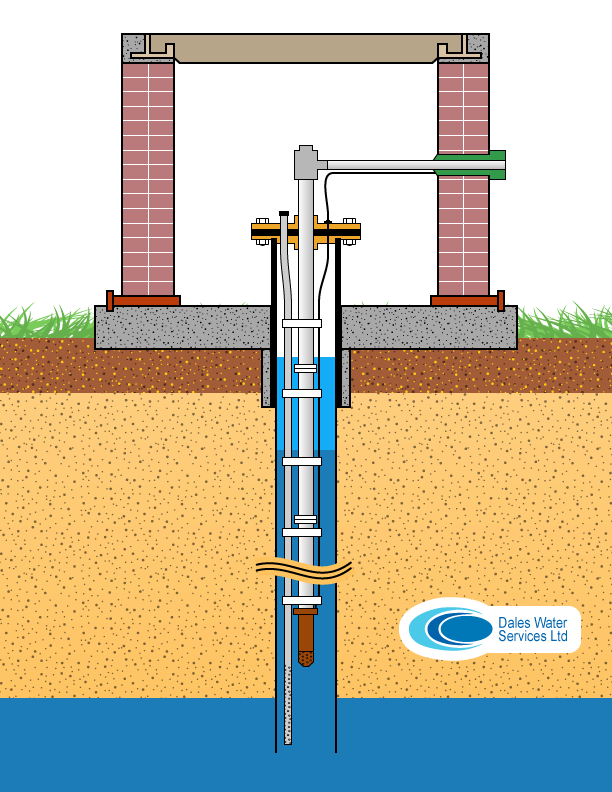
Wellbore: A wellbore is a hole that is drilled to aid in the exploration and recovery of natural resources including oil, gas or water. A wellbore is the actual hole that forms the well. A.
The differences between a Wellpoint and Borehole Trojan Plumbing

This is driven by inconsistent rainfall patterns, climate change and an increase in water demand. With drill rigs of all shapes and sizes running around between drill sites, it is appropriate that we spend some time outlining some important aspects regarding a successful borehole - it goes beyond just selecting the correct drill site! 2.
What are Boreholes? Clearwater Pumps
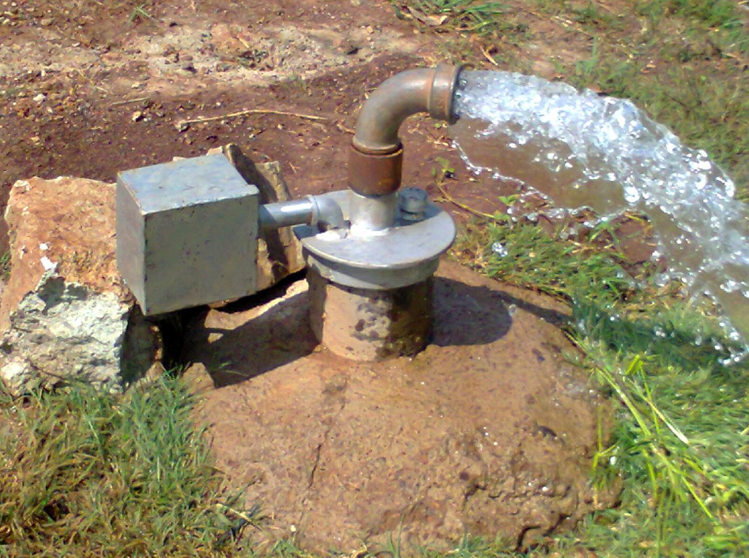
As nouns the difference between borehole and well is that borehole is a hole bored into the ground to collect samples for analysis or to extract oil or water while well is a hole sunk into the ground as a source of water, oil, natural gas or other fluids. As an adverb well is accurately, competently, satisfactorily. As an adjective well is in good health..
What is the Difference Between a Piezometer and a Groundwater Monitoring Well? All American

Borehole digging for a borewell or tube well Borewell digging A woman in Uganda collects water from a borehole and attached hand pump A drilled well in Ghana; the borehole isn't visible. A borehole is a narrow shaft bored in the ground, either vertically or horizontally. A borehole may be constructed for many different purposes, including the extraction of water (drilled water well and tube.
What is the Difference Between a Well and a Borehole?

Boreholes are similar to tubewells, but differ in that they are used to access deeper and more difficult to tap water resources, as well as requiring bedrock penetration. Once constructed, both types of wells would require a pump to transport water to the surface for domestic or irrigation purposes. Pumping tools include hand-operated pumps.
Well/Borehole Appeal YouTube

Despite these differences, both wells and boreholes play a crucial role in providing access to groundwater, an essential resource for drinking, irrigation, and various other needs. The decision to construct a well or a borehole should be based on a thorough understanding of the local water table, soil composition, and the intended use of the water.
Water Table
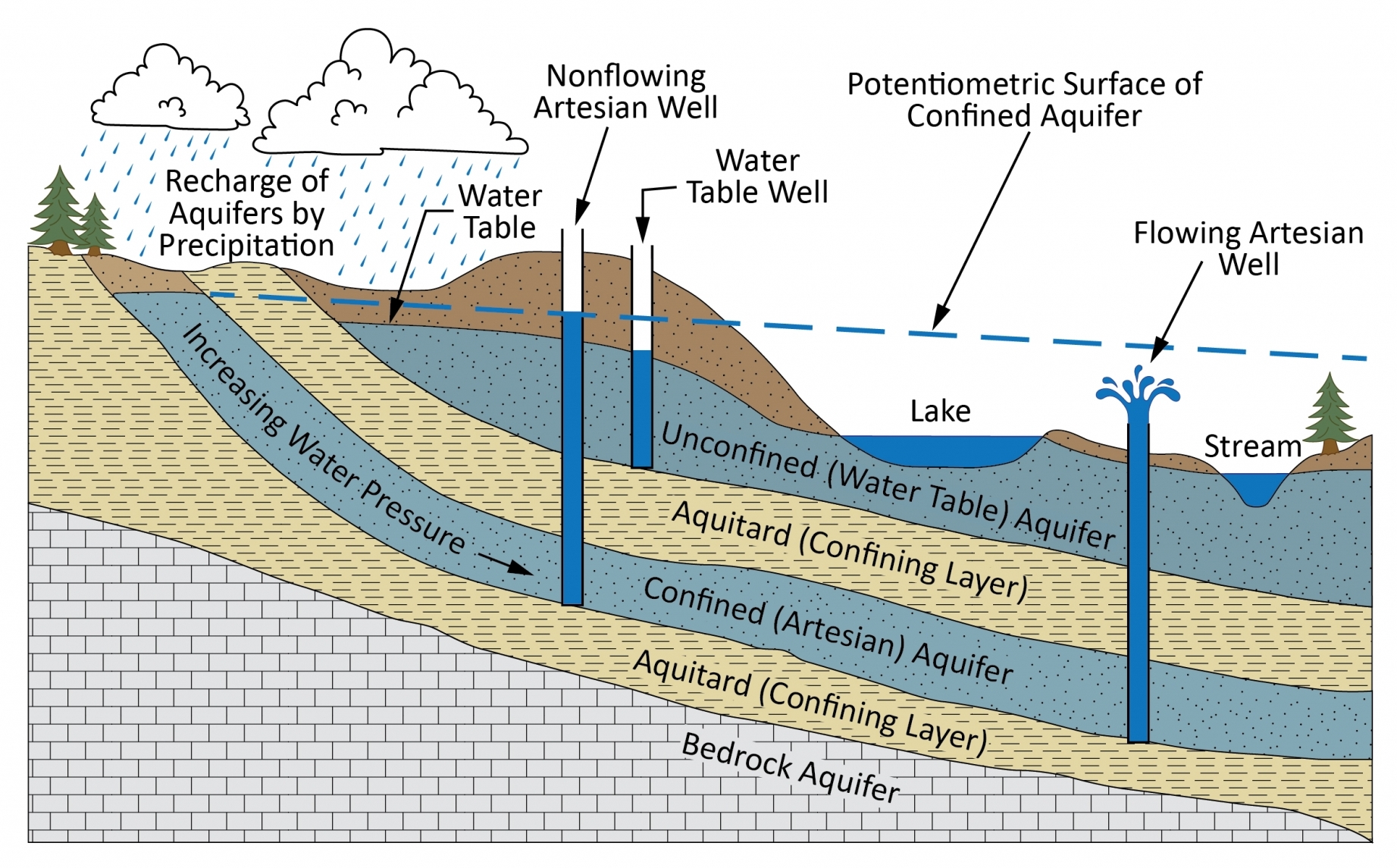
What is the difference between a borehole and a well? - A borehole is the generalized term for any narrow shaft bored in the ground, either vertically or horizontally. Typically, a borehole used as a water well. Well water can be safe for drinking and all other household needs, as long as you make sure to test your water supply regularly and.
Artesian Well Overflow Plumbing DIY Home Improvement DIYChatroom
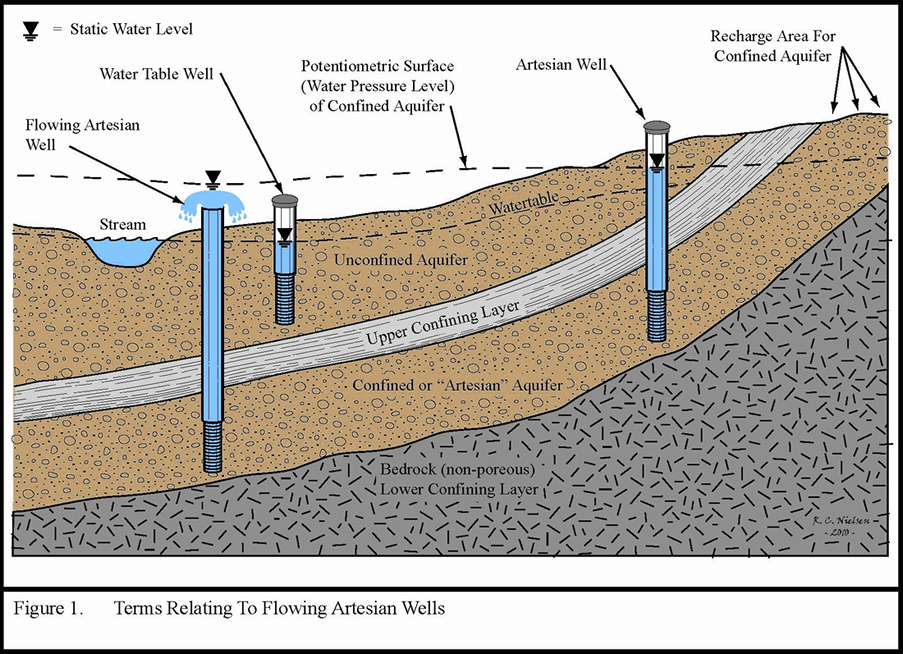
Basically, how Borehole Drilling Companies define the difference is: typically, a borehole is drilled by machine and is relatively small in diameter and a well is usually sunk by hand and is relatively large in diameter. Of course, there are machines to sink large diameter wells and there are tools and equipment to drill boreholes by hand, but.
Tipos de tubería de revestimiento,Tipos de tubería de revestimiento
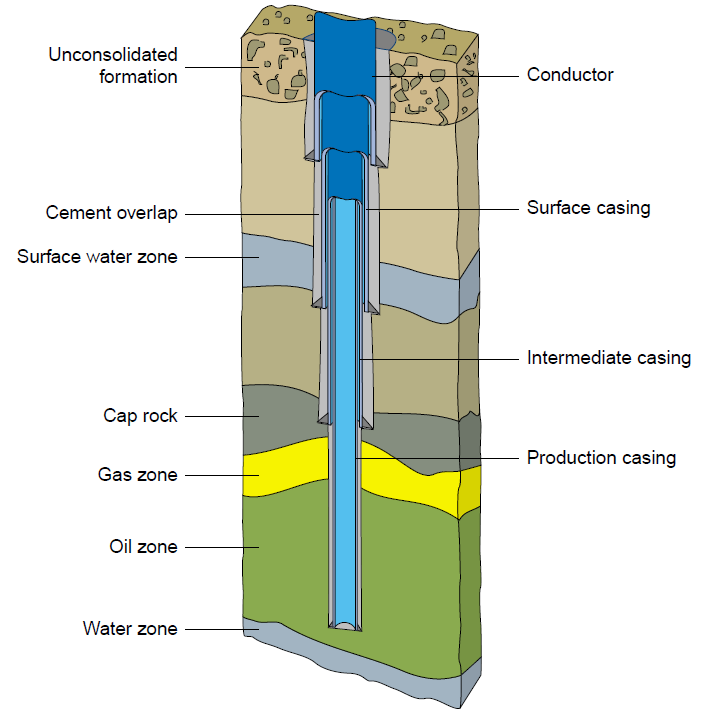
HighPoint Resources. There is no difference between well, hole, and borehole in a scientific sense. "Hole" is usually used as a shortened form of "borehole." A "well", however, is typically used.
Boreholes and water use rights and allocations in Johannesburg

Down the Hole Drilling Method. The differences between the air rotary system and this drilling system are primarily the cutting action and the resulting cuttings. The down-the-hole hammer uses the rotary percussion cutting action through the use of a button bit. Read more.
.