
Matrimonial Home Jointly Owned by Spouses Di Battista Katz Grant Cobbina LLP
The matrimonial home is the legal term used to describe the family home in which the spouses were living just prior to the date of separation. If you and your spouse regularly use more than one home together, then each home can be considered to be a matrimonial home. An additional matrimonial home, therefore, can include a cottage or chalet, or.
Request to Sell Matrimonial Home Refused AP Lawyers

This is most common regarding marital homes. Since dividing a house in half is not feasible, the court will often award one spouse the house. The other spouse receives other assets that equal half the home's value. As with community property states, the couple may enter into an agreement on how the marital property should be divided upon.
Selling the Matrimonial Home in a Divorce

A home where the married couple was living at the time of separation is called a Matrimonial Home. In Ontario, Section 18 (1) of the Family Law Act, R.S.O. 1990, c. F.3 (FLA) defines the matrimonial home as "every property in which a person owns an interest and or, was at the time of separation (if the spouses have separated) ordinarily.
The matrimonial home on divorce What are my options? Laker Legal Solicitors

Matrimonial Home is a concept that is not directly expressed but is included indirectly in many Indian laws, like the Hindu Marriage Act, 1955; the Hindu Succession Act, 1956; the Protection of Woman from Domestic Violence Act, 2005; etc. In the case of joint property, the court can pass a decree that it feels to be just and proper..
Matrimonial Property Concepts And Principles

Your home is a matrimonial home - regardless of who owns the property. For most couples, the matrimonial home is their largest asset. As the presumed core of family life, it also gets special consideration during a divorce proceeding. However, not only are there legal rights that are unique to matrimonial homes, but the matrimonial home can.
How To Have The Wedding Of Your Dreams Lovevivah Matrimony Blog
Matrimonial home rights come to an end: On the finalisation of a divorce or the dissolution of a civil partnership (i.e. when you receive a Final Order from the court). However, in some cases matrimonial home rights can be extended with a Continuation Order; If a court orders it. For example, if you were granted exclusive possession of the.
Ten Questions Regarding the Matrimonial Home

The Matrimonial home is the home shared by a married couple or a couple in a civil partnership. The law affords both spouses an automatic right to occupy their matrimonial home, even if it is only owned by one of them. These are known as Matrimonial Home Rights and they aim to protect the party.
Selling Your Matrimonial Home In A Divorce I Toronto Real Estate

What is a "Matrimonial Home" Under Ontario Law? For married couples, a family home has special status if it falls within the special definition of a "matrimonial home." A matrimonial home is any real property ordinarily occupied by a couple during their marriage, whether it is owned directly by one or both spouses, or through a corporation.
The Matrimonial Home What All Couples Should Know When Buying, Selling, or Refinancing

The "matrimonial home" is the home that was ordinarily occupied by the spouses at the time of their separation, which one or both spouses have an interest ( i.e., one or both spouses must have some kind of ownership in the home—a property that spouses are renting would not be a matrimonial home). Ontario law (specifically, the Family Law.
Matrimonial Home Rights Your Guide first4Lawyers
Under Ontario's Family Law Act, a matrimonial home is essentially any property in which two married spouses were ordinarily residing at the time of separation. If the home is owned solely by one spouse, the other spouse does not automatically acquire an ownership interest by saying "I do". However, the non-owning spouse may acquire a.
Home Rights Notice Matrimonial Home Rights Registration The Family Law Co

Section 18 (1) of the Family Law Act, a matrimonial home is defined as: "Every property in which a person has an interest and…is ordinarily occupied by the person and his or her spouse as their family residence". This definition is wide enough to include not only city homes but also cottages, for example.
Challenges of Selling the Matrimonial Home Kerry Fox Family Law

August 23, 2019. As established by section 18 of the Ontario Family Law Act, a matrimonial home is defined as "every property in which a person has an interest and that is or, if the spouses have separated, was at the time of separation ordinarily occupied by the person and his or her spouse as their family residence is their matrimonial home.
Matrimonial Home After Separation Who Gets it? Kate Watson
A Matrimonial Home is the home that you and your spouse lived in when you separated. Depending on how you spent your time during your relationship, you can have more than one Matrimonial Home. For example, if you go to the cottage often, then your cottage may be considered a Matrimonial Home, as well as your main residence.
Reversing Possession Of Matrimonial Home During COVID19 Johnson Miller Family Lawyers

A matrimonial home also has specific rules about possession. Both parties have a right under Part II of the Family Law Act to possess a matrimonial home. This means that neither party, regardless of who is on title, can kick the other person out of the house or change the locks on the home. To exclude a person from a matrimonial home, a party.
What Happens with the Common Law Matrimonial Home After Separation for Mansfield?

The matrimonial home is afforded special treatment under the Family Law Act (FLA). Part 2 of the FLA deals entirely with the matrimonial home: what it is, how it is treated in the equalization process, and who has a right to possess it. For many couples, the matrimonial home represents the largest and most significant asset, and it is also a.
5 Common Scenarios In A Divorce Settlement How Your Property Will Be Divided
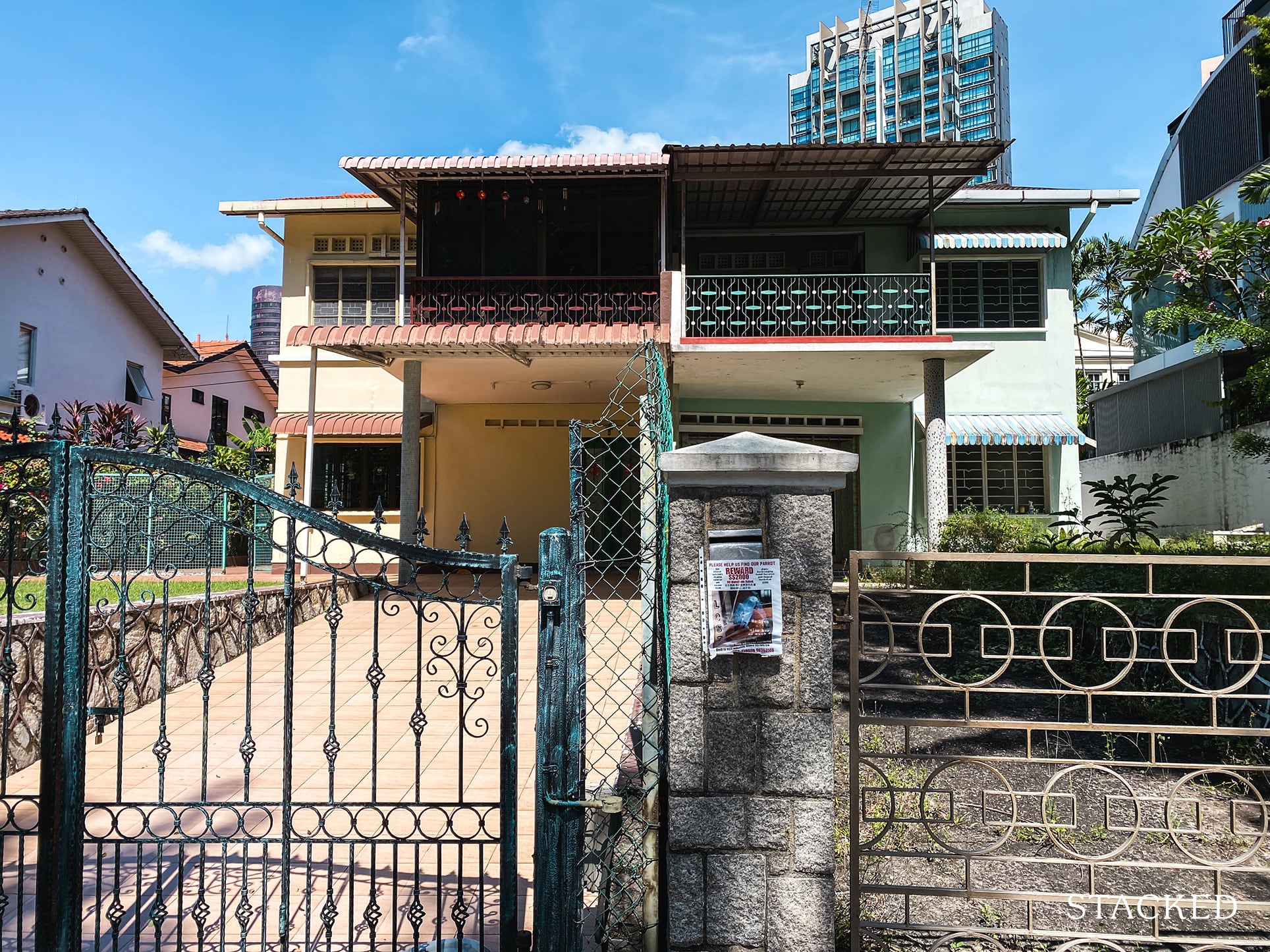
Your matrimonial home is the home where you and your married partner lived together before you separated. It can be a house, townhouse, apartment, or co-op unit. It can be owned or rented. After you separate, you and your partner have: an equal right to stay in a matrimonial home that is located in Ontario;
.